01 / Knowledge article
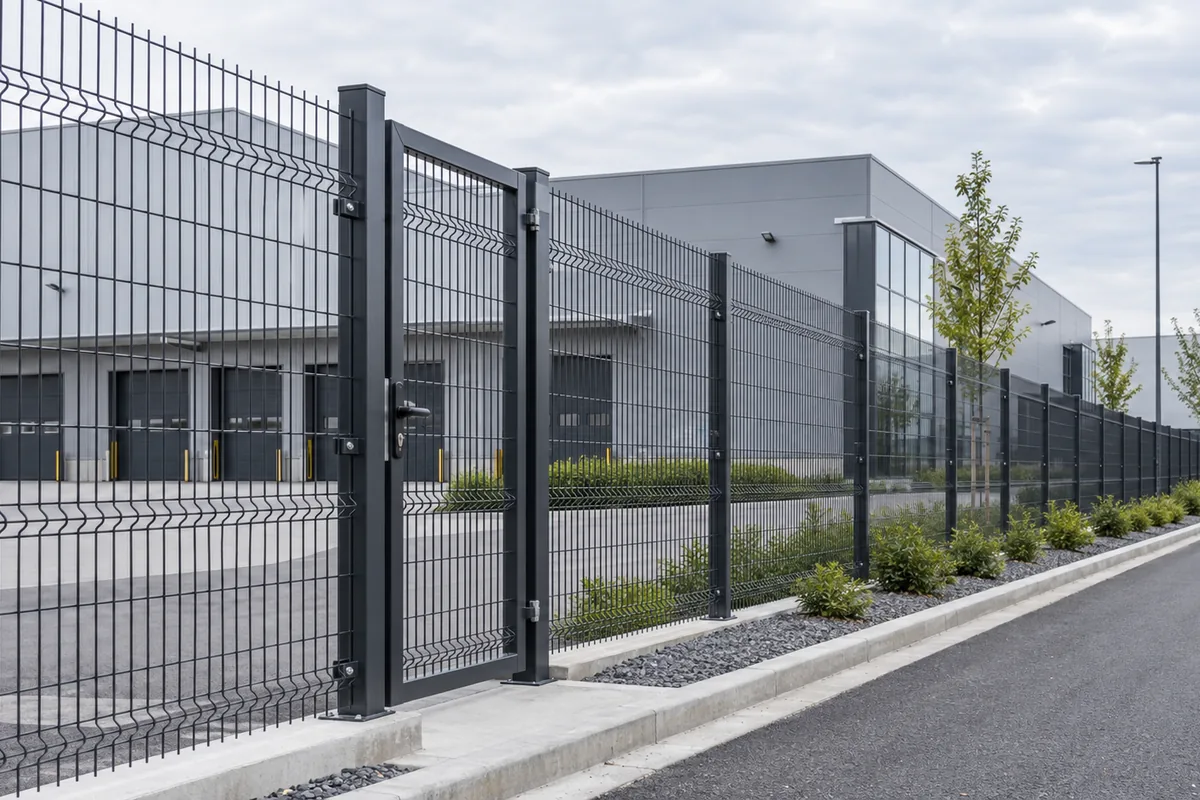
What Are the Main Types of Wire Mesh Fencing?
A practical comparison of welded, woven, close-aperture, temporary and application-specific fence systems.
Read the article →Knowledge resources
Explore 32 practical planning articles covering mesh formats, security objectives, installation methods and the accessories that complete a working fence line.
Knowledge articles
Start with the application, then open the article that matches the planning question. Product pages remain available from the Products menu.
Keyword planning library
Use these field-focused articles to clarify mesh, posts, coatings, foundations, installation and purchasing requirements before requesting a quotation.
A practical comparison of welded, woven, close-aperture, temporary and application-specific fence systems.
Read the article →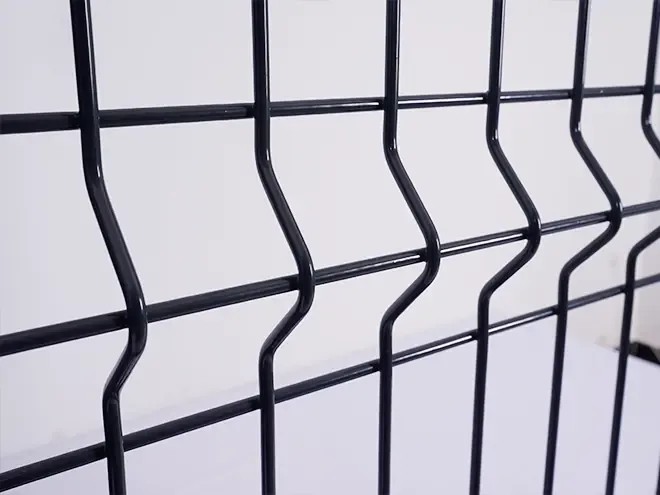
Understand the differences in rigidity, mesh geometry, installation and maintenance before selecting a fence format.
Read the article →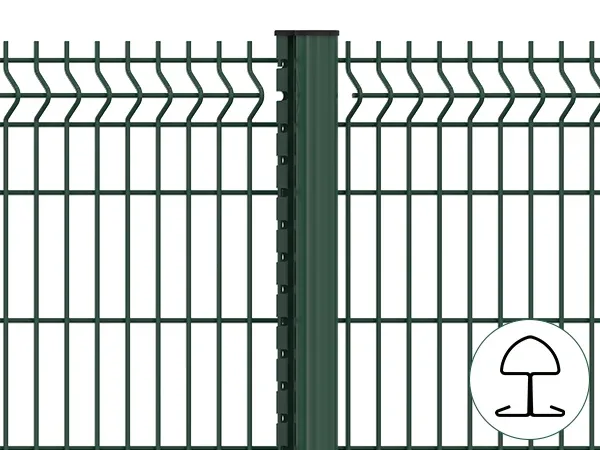
Compare common welded-panel constructions by stiffness, appearance, fixing method and project fit.
Read the article →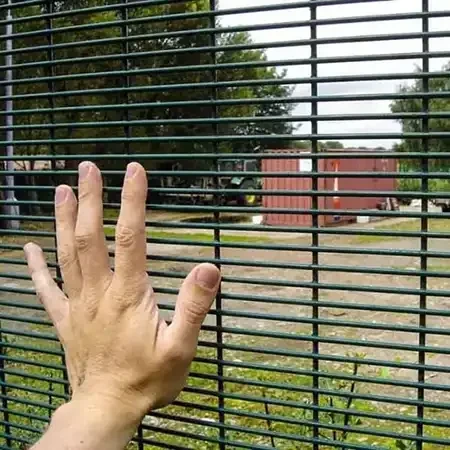
Mesh aperture changes visibility, climb resistance, airflow and the objects a boundary can retain.
Read the article →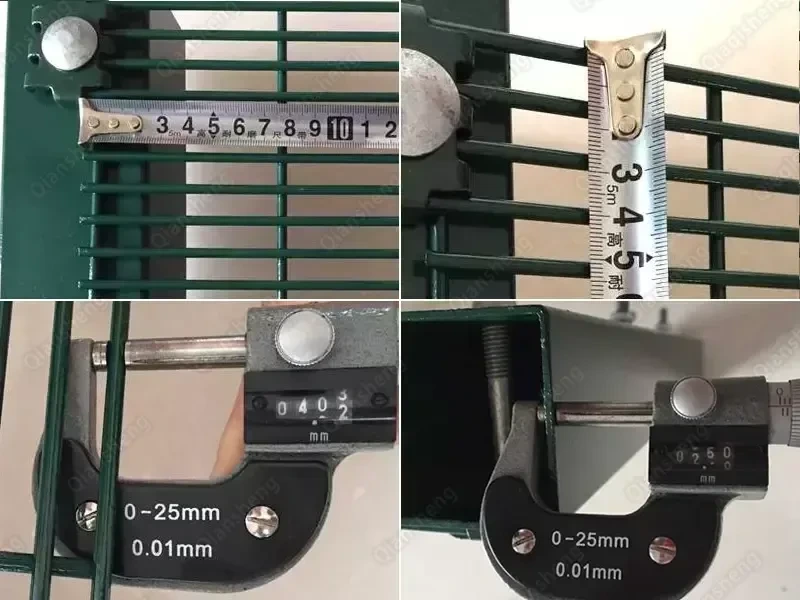
Use span, impact exposure, security objectives and coating requirements to set a sensible wire diameter.
Read the article →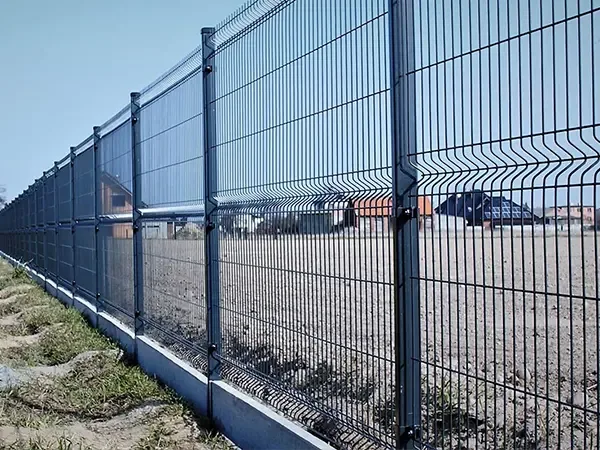
A structured way to balance security, local conditions, visibility, access and installation limits.
Read the article →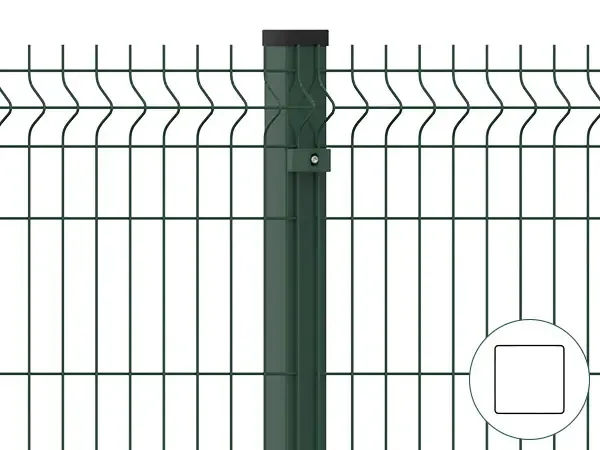
Post spacing affects panel support, wind response, fixing loads and the long-term alignment of the fence line.
Read the article →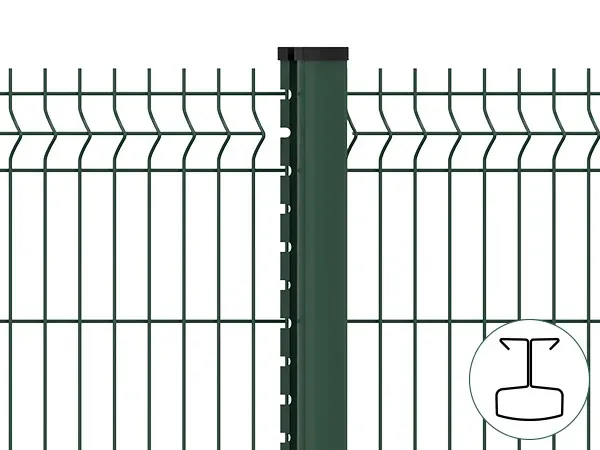
See how frame section, wall thickness and connection details influence stiffness, weight and installation.
Read the article →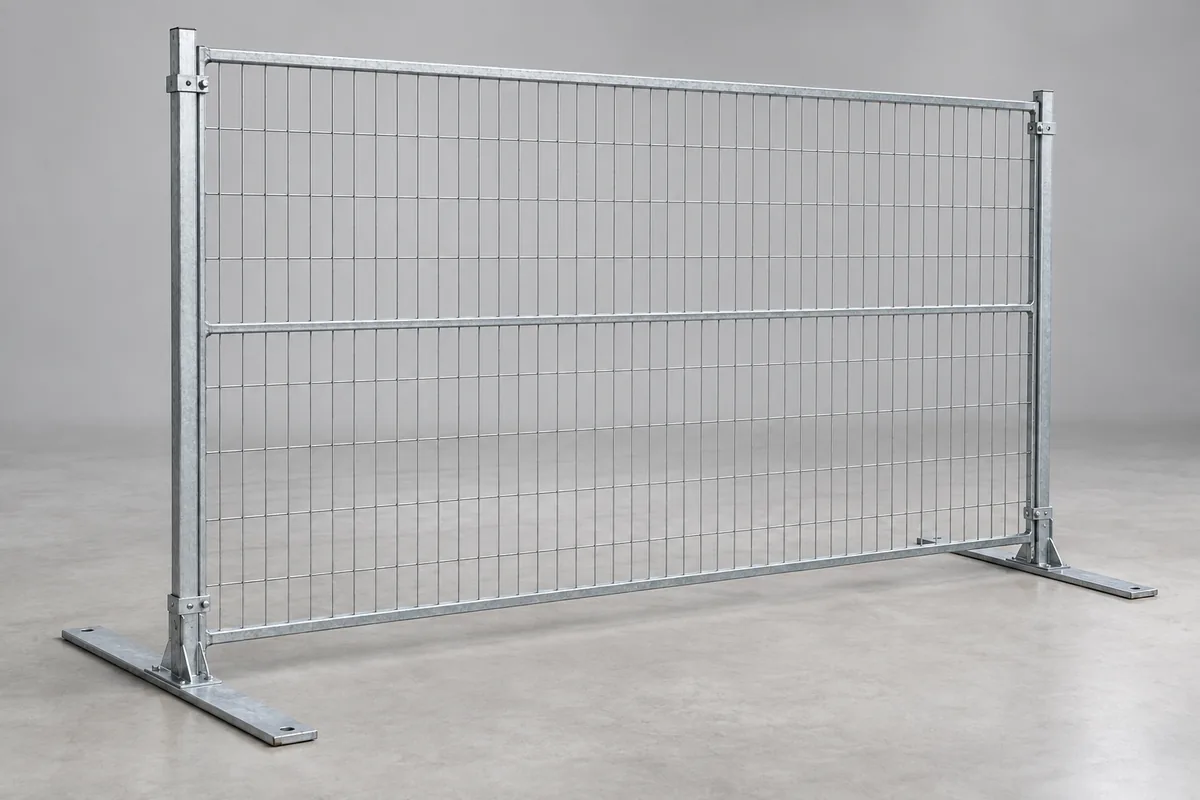
Compare the corrosion barrier, finish, handling and application considerations of common fence finishes.
Read the article →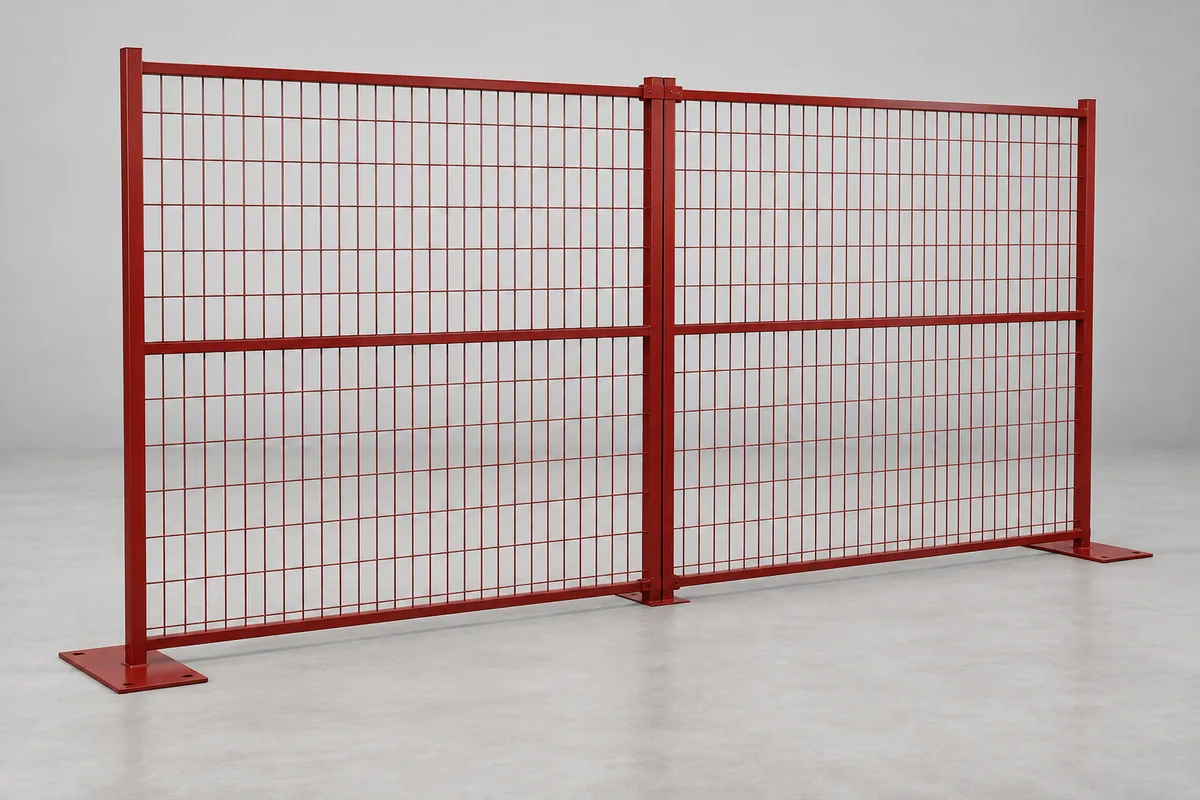
The coating sequence affects coverage at welds, edges and cut surfaces, so confirm the process in the specification.
Read the article →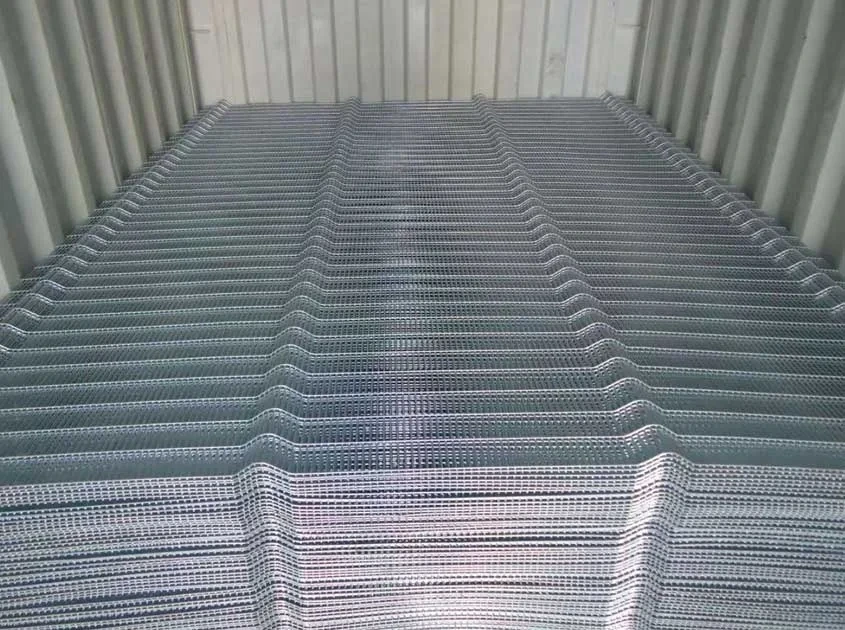
Identify coating damage, trapped moisture, aggressive environments and maintenance actions that slow corrosion.
Read the article →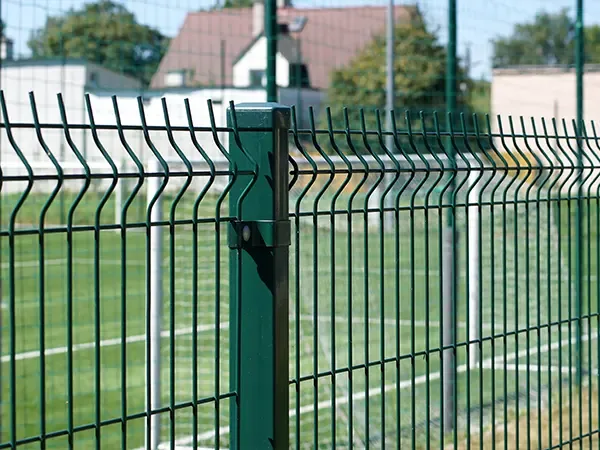
Material, coating, drainage, loading, installation quality and inspection routines all contribute to service life.
Read the article →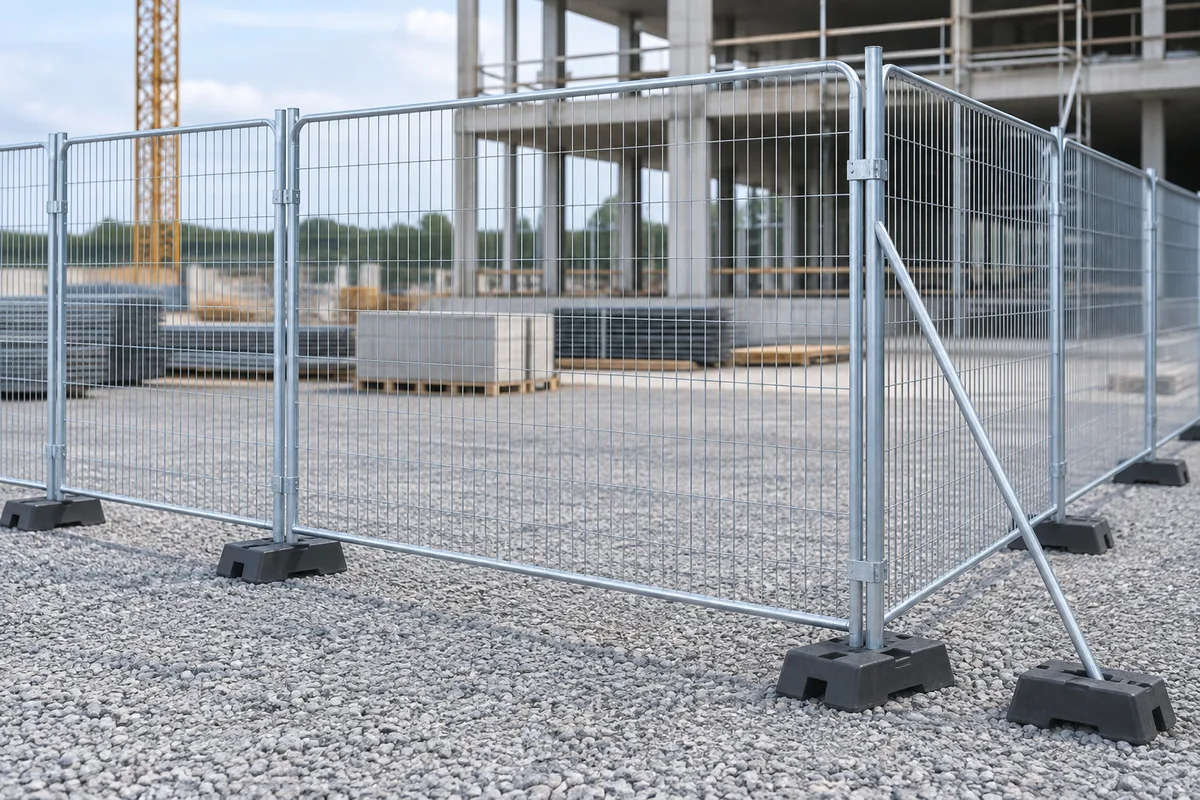
Plan the coating system, drainage, fasteners and inspection frequency around the exposure class of the site.
Read the article →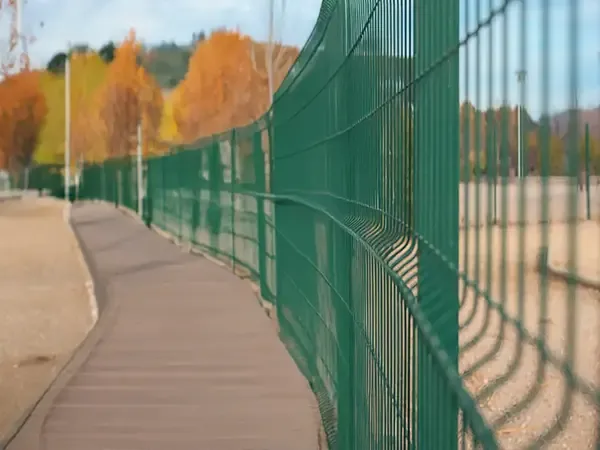
Panel openness, height, post spacing, anchorage and local exposure work together in a wind-conscious design.
Read the article →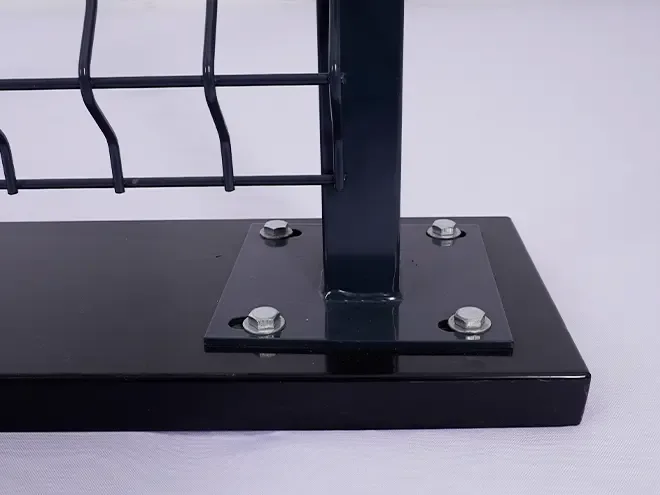
Coordinate soil, post section, embedment, drainage and concrete details before installation begins.
Read the article →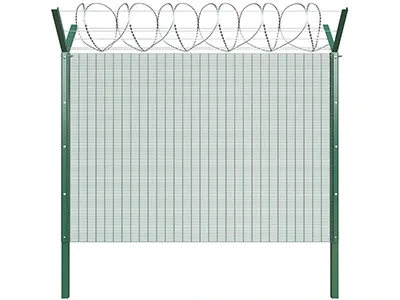
Compare direct embedment and flange-mounted posts by ground condition, access, replacement and finished-floor constraints.
Read the article →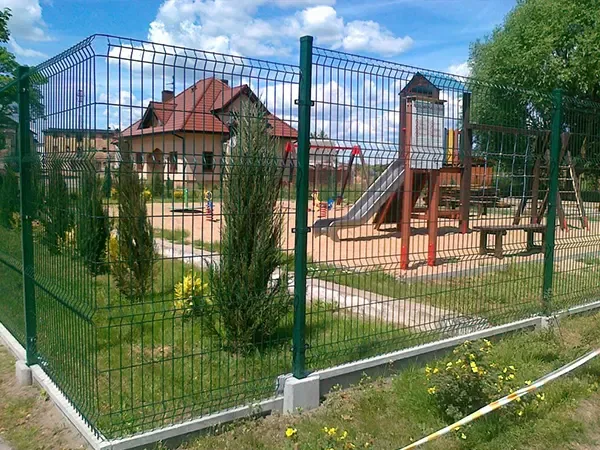
Use stepped or raked layouts, accurate setting-out and flexible connections to keep the boundary consistent.
Read the article →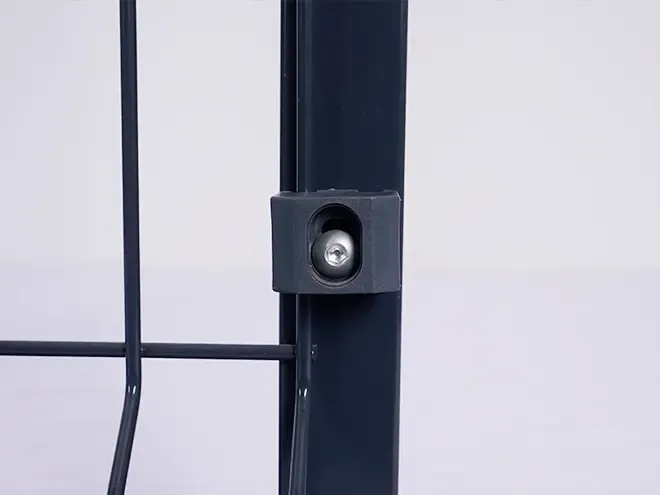
Corner loads need a clear post layout, compatible clamps and a continuous line of support.
Read the article →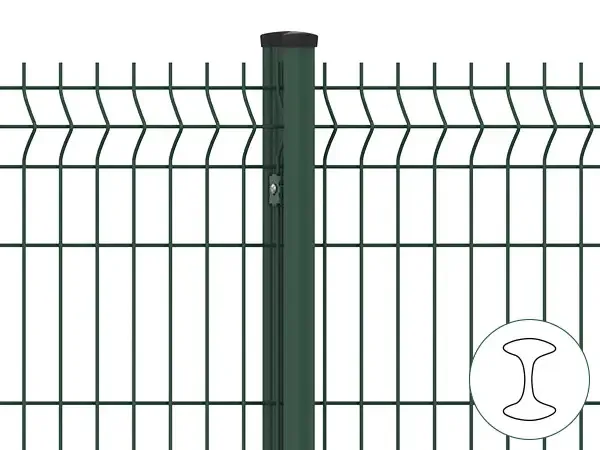
Align gate posts, hinges, latches, clearances and adjacent panels so the access point works as one system.
Read the article →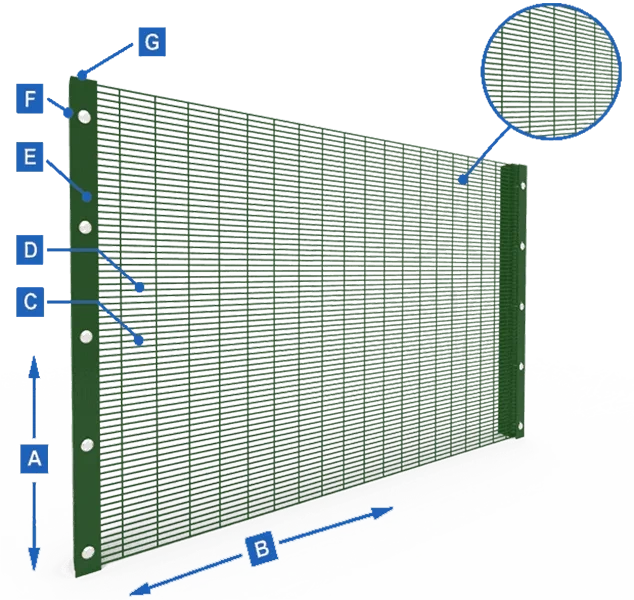
A field checklist for boundary length, levels, openings, gates, posts, finishes and delivery constraints.
Read the article →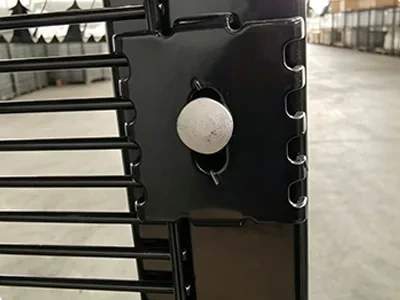
Prevent misaligned posts, incorrect fixings, unsupported corners, coating damage and inconsistent clearances.
Read the article →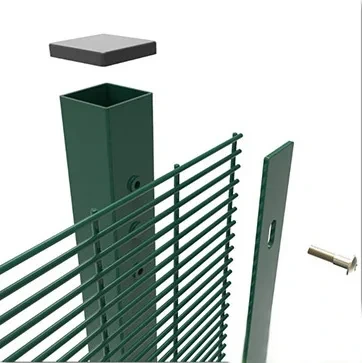
Trace movement from the panel and fixings back to posts, foundations, impact points and ground conditions.
Read the article →Clean, prepare and touch up small coating defects while recording larger damage for panel or component replacement.
Read the article →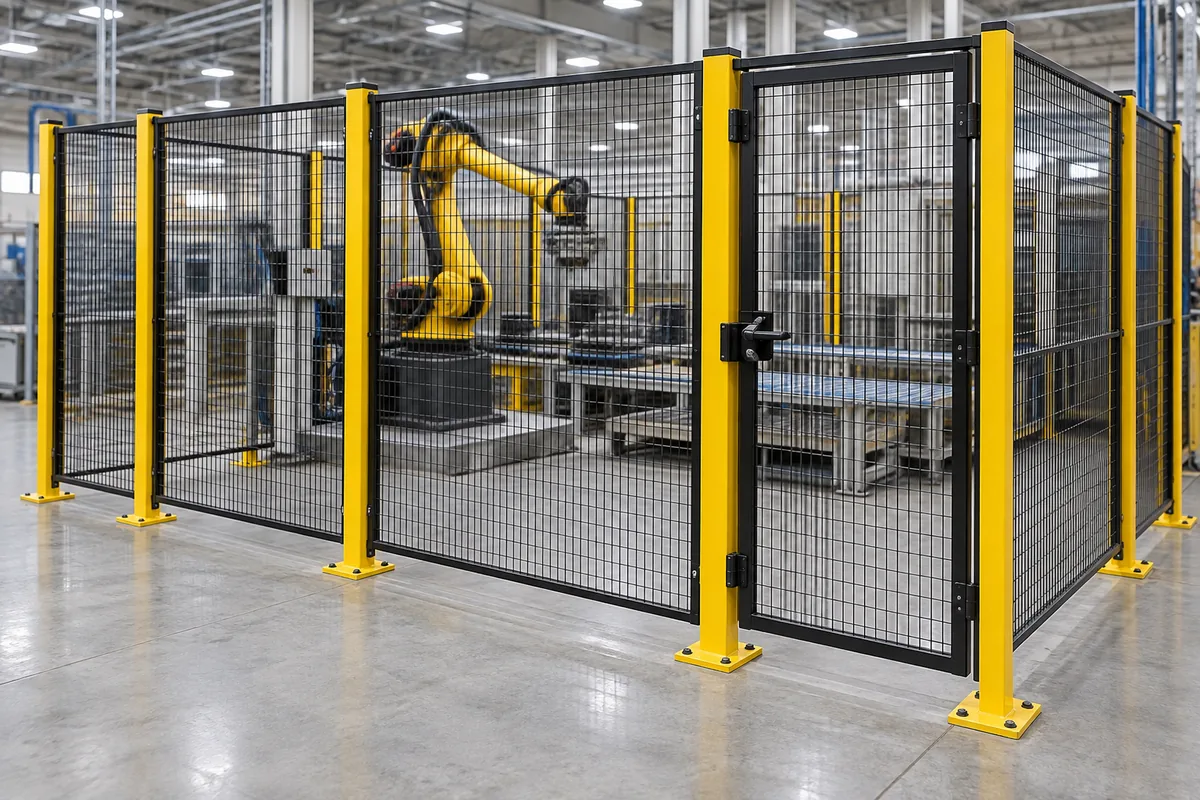
Use a repeatable inspection routine for panels, welds, posts, fasteners, gates, drainage and the protective finish.
Read the article →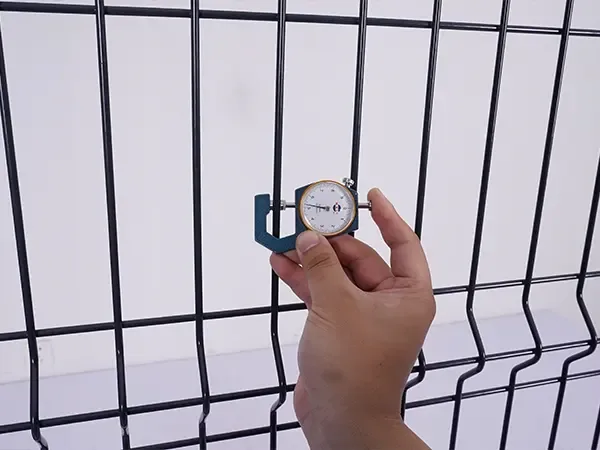
Review aperture consistency, wire straightness, weld continuity, edge condition and the declared coating.
Read the article →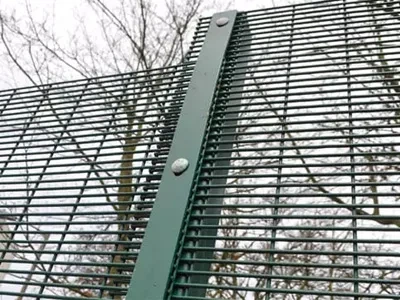
A receiving inspection should connect delivered components to the approved drawing and finish requirements.
Read the article →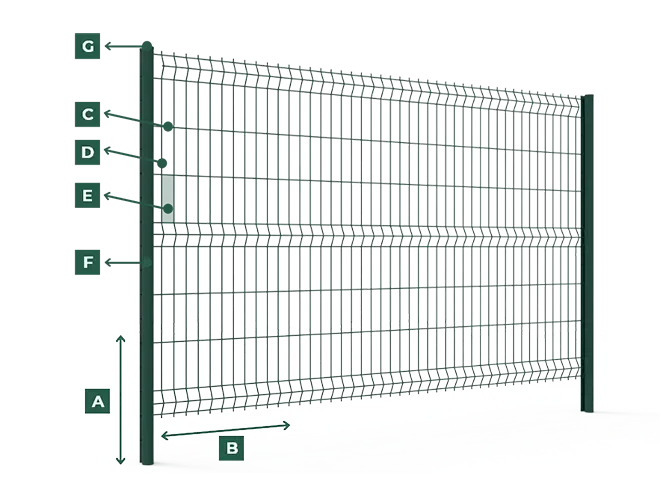
A complete enquiry includes application, dimensions, mesh, finish, access points, ground conditions and delivery details.
Read the article →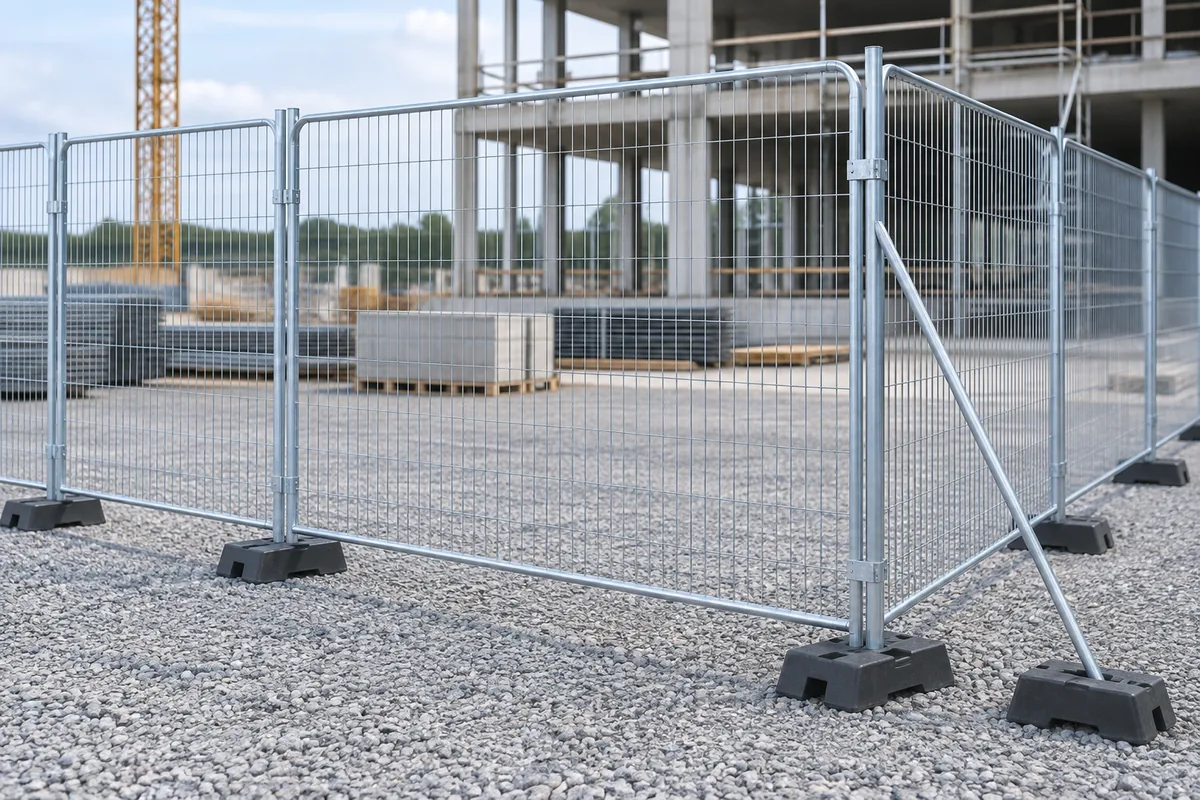
Material, panel geometry, posts, finish, fixings, gates, quantity, packing and delivery all affect the delivered cost.
Read the article →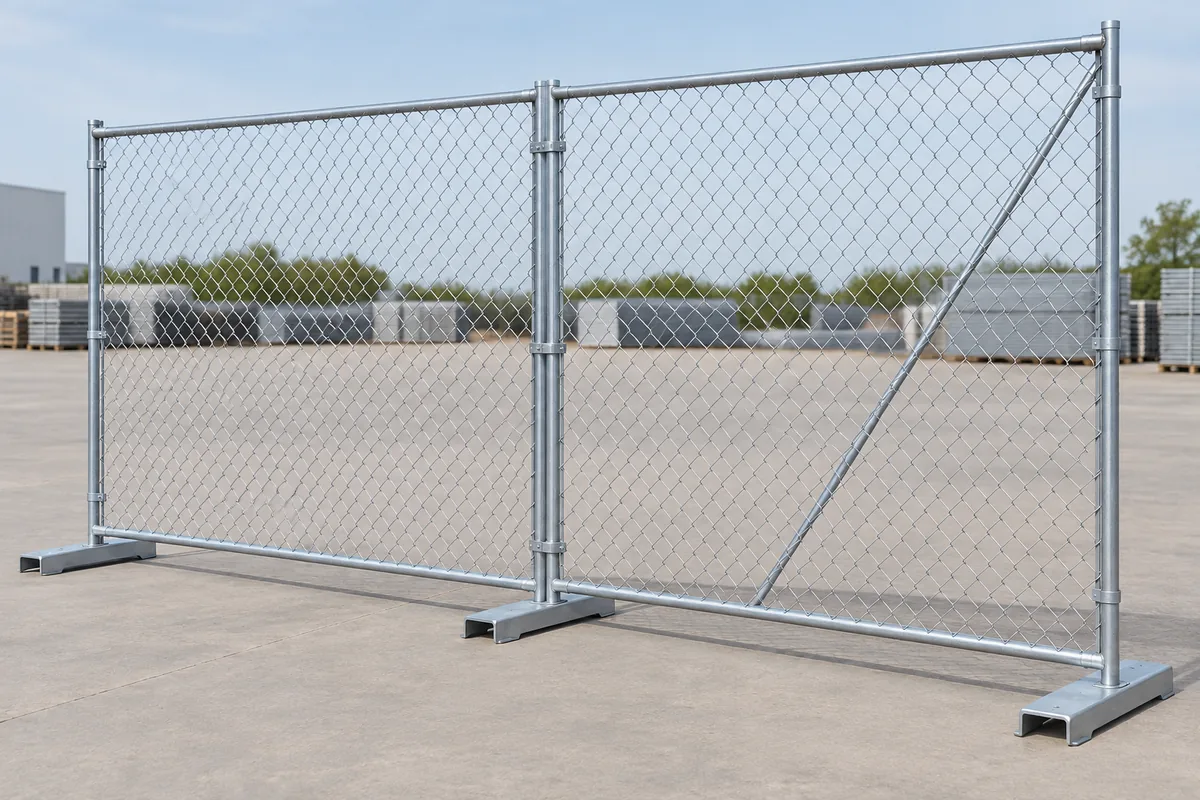
Plan stacking, separators, lifting points, weather protection and unloading to reduce distortion and coating damage.
Read the article →Residential, industrial, infrastructure, event and machine-guarding boundaries each prioritize different performance factors.
Read the article →A drawing-led enquiry can coordinate panel sizes, posts, gates, finishes and site interfaces before production.
Read the article →Record existing levels, post centres, gate clearances, foundations, damage and service interfaces before redesigning the line.
Read the article →Need a project answer?
Send the application, total run, height, mesh opening, gates, finish and destination. We can help align panels, posts, fixings and access into one enquiry.