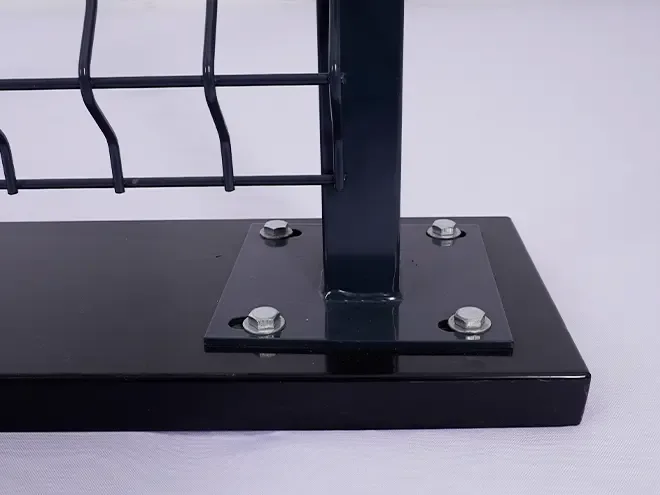
The right fence specification starts with the site objective, not a single catalogue dimension. Use this guide to turn the question how should wire mesh fence post foundations be designed? into a clear panel, post, fixing and finish schedule.
Quick answer
Start by defining the boundary function, expected loads, access points and environmental exposure. Then confirm mesh opening, wire or section size, panel height, post spacing, foundation method and protective finish as one coordinated system.
What to review before ordering
- Purpose: define whether the boundary is for visual separation, controlled access, anti-climb security, equipment guarding or temporary site management.
- Geometry: record the finished height, panel width, mesh opening, wire diameter, bends and the total run.
- Structure: coordinate posts, corners, gates, clamps, base plates or embedded foundations with the ground condition.
- Environment: state exposure to moisture, salt, chemicals, impact, wind and cleaning so the coating and fasteners can be reviewed.
- Installation: confirm levels, slopes, clearances, delivery access and the sequence for setting posts and fixing panels.
Specification checklist
Describe what the fence protects, the site exposure and the required access control.
List mesh, section, height, width, post centres and the connection method.
Confirm galvanizing or coating, colour, fasteners, gates, feet and packaging requirements.
Agree the checks for dimensions, welds, coating, alignment and delivery condition.
Related product guides
Use the following product pages to compare available system formats and request a coordinated quotation.